A Jar of Patience: Split Peas and the Quiet Case for Pease Pudding
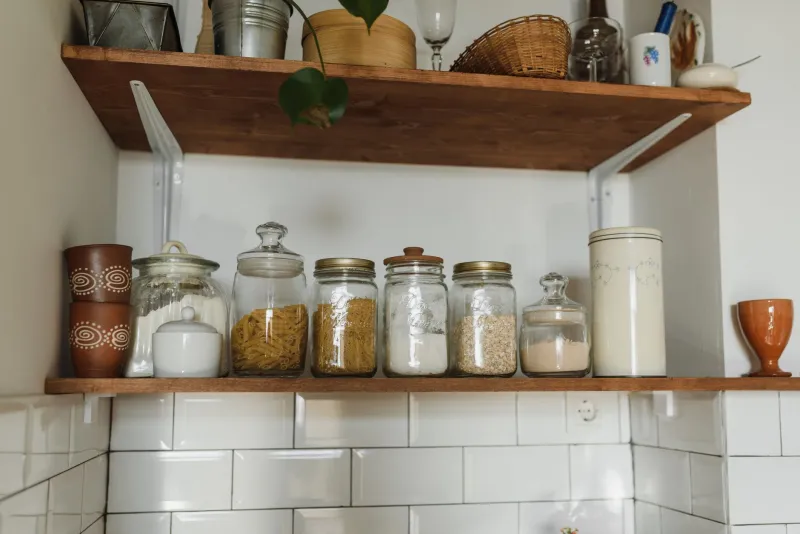
On a grey November afternoon, when the light goes early and the kitchen window turns into a mirror, the most useful thing on the shelf is rarely the prettiest. It is the jar of yellow split peas at the back, bought for a soup that never quite happened. They sit there, quiet and unglamorous, waiting for a moment when dinner needs to be cheap, warm and steady. That moment comes often in November.
The shelf that doesn't shout
Pantry shelves have their show-offs. We all know them: the chutneys with their little cloth hats, the tins with bright labels, the bottle of good olive oil that gets moved aside to reach the salt. Dried peas are not like that. They are the support act, the understudy, the sensible pair of shoes. And yet a bag of split peas is one of the most reliable things you can keep in the house. They store well in a sealed jar, cost very little, and turn into something soft and comforting with nothing more than water, heat and a little patience.
At Nancy's Larder we are fond of a staple that earns its place twice over. Split peas do that. They are not a novelty. They are not a trend. They are simply good larder logic, the sort of thing your grandmother would have kept without making a fuss about it.
A northern bowl with a long memory
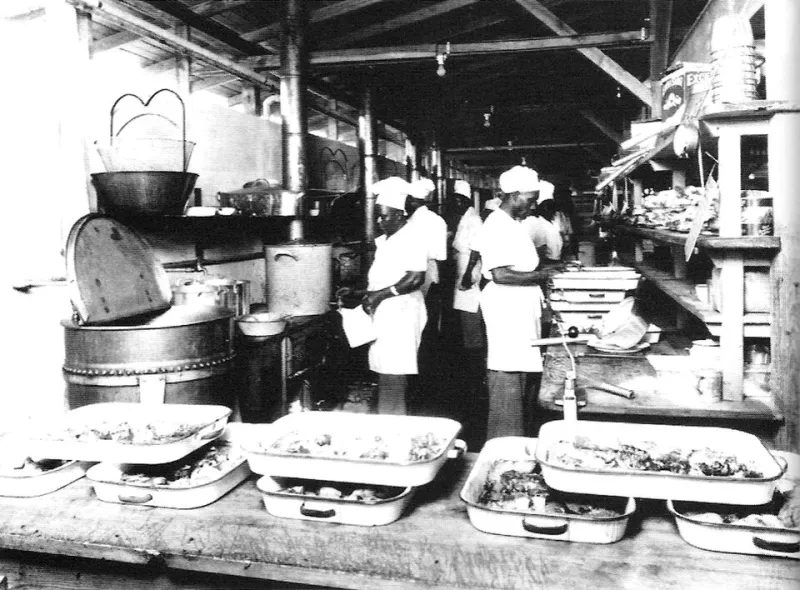
Pease pudding is the obvious destination for those peas, though it has fallen out of everyday cooking in many parts of the UK. In the North East it is still a familiar phrase, often alongside ham, or tucked into a stottie cake. The name comes from pease, an old word for peas, and the dish itself is older than the idea of a recipe card. Dried peas have fed households for centuries because they keep through the cold months and swell into something filling when cooked.
Different regions have their own ways with it. Some versions are very plain, just peas and water and a little salt, with butter stirred in at the end. Others add onion, bay, or a splash of stock. In some kitchens it is served thick enough to slice; in others it is looser, more like a purée. None of these is wrong. That is the useful thing about a larder staple: it bends to the cook and the cupboard.
Why split peas deserve a permanent place
The case for keeping a jar of dried split peas is not complicated. They are inexpensive, they last for months in a cool, dry cupboard, and they make a little go a long way. A 500g bag will give you several small batches of pease pudding, a pot of soup, or a side dish for sausages and roast roots. They are also a quiet source of protein and fibre, which matters when the weather turns and you want meals that stick to your ribs without a lot of meat.
Yellow split peas are the ones most often used for pease pudding; green split peas are just as good for soup, though they give a slightly earthier colour. Both benefit from a rinse and a look through for any little stones, though modern packets are usually clean. Soaking is not strictly necessary for split peas, but a couple of hours in cold water can help them cook more evenly. If you are using ham stock, be careful with salt at the end.
A small-batch pease pudding for November suppers
This makes enough for two generous servings, or four as a side. It is the sort of thing to make on a Sunday afternoon and reheat on a Tuesday, when the dark comes in early and nobody wants to think too hard about dinner.
You will need:
- 200g yellow split peas, rinsed
- 600ml water or light stock
- 1 small onion, peeled but left whole
- 1 bay leaf
- 25g butter
- salt and black pepper
- a pinch of ground mace or nutmeg, optional
Put the peas in a saucepan with the water or stock, the onion and the bay leaf. Bring to the boil, then turn down the heat and simmer gently for 35 to 45 minutes, until the peas are soft and collapsing. Stir now and then, and add a splash more water if the pan looks dry. Remove the onion and bay leaf, then mash the peas with a potato masher or give them a short blitz with a stick blender. You want a rough, thick purée rather than a smooth paste. Stir in the butter, season carefully, and add the mace or nutmeg if you like. If it is too stiff, loosen it with a little of the cooking water.
Serve it warm with ham, sausages, roast chicken or simply a baked potato and some greens. Leftovers will keep in the fridge for up to three days. They are excellent fried in a little butter until crisp at the edges, which is a very good use for a small jar of Thursday's dinner.
The jar at the back
The pleasure of a pantry is not only in the pretty jars and the preserves that take an afternoon. It is also in the quiet things that make a weekday supper possible. A jar of split peas will never be the star of a photograph, but it will be there when the weather turns and the fridge is thin. Buy a bag, decant it into a jar, write the date on the lid if you are that sort of person, and put it next to the chutneys. Then, on a cold evening, make a small pot of pease pudding and remember why the old staples lasted so long.