Marmalade Deserves More Than Toast: A Festive Case for Bitter Orange
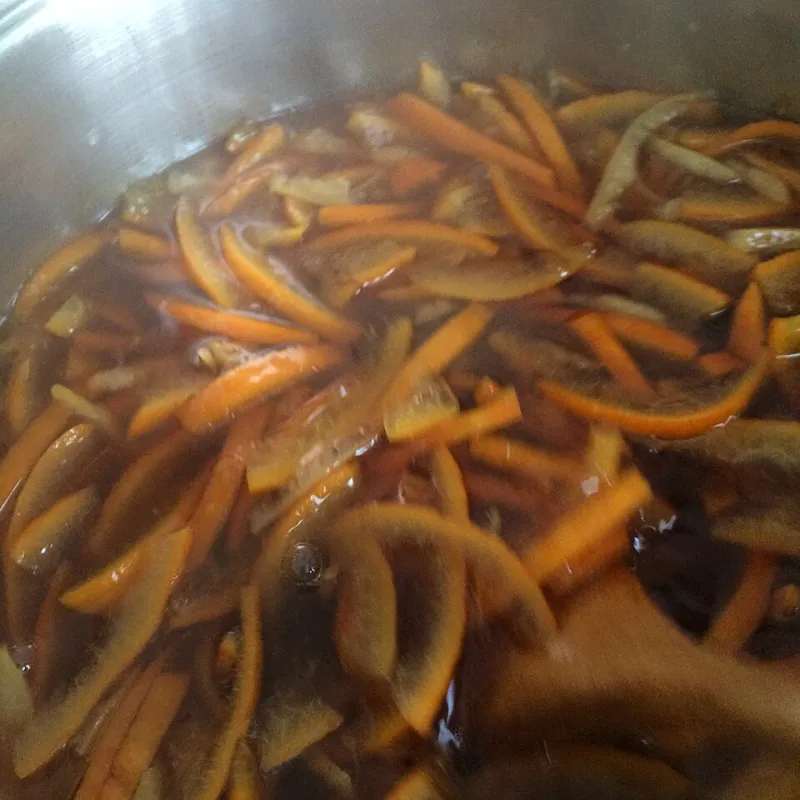
Photo: Tehmina Goskar, CC BY-SA 4.0, via Wikimedia Commons
Marmalade has an image problem. It is the jar that sits at the back of the fridge, the preserve we buy for one virtuous week in January and then forget. Toast and marmalade is a fine thing, but it is not the whole story. In a Christmas kitchen, bitter orange is one of the most useful ingredients you can keep in the pantry. It cuts through richness, brings a grown-up edge to sweet things and makes savoury dishes taste as if someone has been paying attention.
So here is the case for keeping a jar of marmalade within reach this Christmas 2026. Not as a relic of the breakfast table, but as a proper British store-cupboard ingredient.
A short history of a British jar
Marmalade has roots beyond these islands. The word is often linked to the Portuguese marmelo, meaning quince, and early versions were thick, sweet and made from all sorts of fruit. But it was in Scotland that the bitter orange marmalade we know took hold. Dundee has long claimed a place in the story, with the Keiller family name tied to the commercial spread of the preserve in the late eighteenth and early nineteenth centuries. From there, marmalade became part of the British breakfast, a dark, shreddy, bittersweet thing that could wake up a winter morning.
The Seville orange is central to that tradition. Those knobbly, bitter oranges arrive in the UK in the depths of winter, usually in January, and they are too sharp to eat out of hand. Cooked with sugar, they make a preserve with real backbone. The peel gives texture, the juice gives acidity and the pith and pips bring the pectin that sets the whole thing. It is seasonal preserving at its most practical: a way of turning a brief winter crop into something that lasts for months.
That January ritual still matters. Making marmalade is a slow, fragrant job, the kind of kitchen afternoon that fills the house with citrus oil and steam. But the jar you made last winter, or the one you bought at a farmers' market, can do far more than sit beside the butter dish.
Why bitter orange works at Christmas
Christmas food is rich. There is butter, cream, suet, chocolate, marzipan and enough sugar to make the whole house hum. What it needs is a sharp note to keep things interesting. Marmalade does that better than almost anything else in the pantry. It is sweet, yes, but it is also bitter, acidic and deeply orangey. A spoonful can wake up a sauce, glaze a joint or turn a plain pudding into something worth talking about.
It also behaves like an ingredient rather than a condiment. The shreds give texture. The syrup carries flavour. The bitterness stops sweet dishes from becoming cloying. If you already cook with orange zest in a cake or a cranberry sauce, marmalade is simply a more concentrated, more complex version of the same idea.
Beyond the toast rack
The most obvious festive use is a ham glaze. Mix marmalade with mustard, a little brown sugar and perhaps a splash of vinegar, then brush it over a gammon in the last half hour of roasting. The sugars catch and caramelise, the bitter orange cuts through the salt and the whole thing looks suitably celebratory. The same mixture works on sausages, roast parsnips or a wedge of squash.
Carrots are another natural home. Melt a spoonful of marmalade with butter and thyme, then toss roasted carrots through it just before serving. The glaze is sticky and bright, and it saves you from the usual honey-only treatment. It is also good on sprouts: roast them hard until the edges are dark, then add a little marmalade and mustard butter at the end.
Mincemeat is a less obvious but very happy partnership. A spoonful of marmalade stirred into a jar of mincemeat adds depth and a bitter edge. It is a useful trick if your mincemeat tastes a little flat or too sweet. The same idea works in a bread and butter pudding, where marmalade can replace some of the sugar and jam in the layers. For a simple festive pud, spread marmalade on buttered bread, add dried fruit and custard, and bake until puffed and golden.
Baking is where marmalade really earns its keep. A marmalade ginger cake is a fine thing, the sharp peel cutting through the warmth of ginger and treacle. Marmalade can also go into a cranberry sauce, a glaze for a Christmas cake or a simple buttercream. A spoonful beaten into soft butter makes an instant spread for scones, warm bread or a leftover turkey sandwich.
And do not overlook the drinks. A little marmalade stirred into a whisky sour, a hot toddy or a jug of mulled apple juice gives a bitter-orange lift. It is the sort of small adjustment that makes a drink taste considered rather than complicated.
The January connection
There is a pleasing rhythm to marmalade. The Seville oranges arrive after Christmas, which means the making happens in the quiet weeks of January, just as the festive leftovers are finally cleared away. If you make a batch in January, you will have jars for the rest of the year and a head start on next Christmas. But you do not need to wait. A jar bought now can still be put to work this December. Think of it as pantry interest: a little bitterness, a little brightness, a useful reminder that British preserving is not just about nostalgia.
A note on buying and storing
You do not need to spend a fortune on marmalade, but it is worth buying one you actually like. Shred size matters, and so does the balance of sweet and bitter. A fine-cut marmalade is easier to use in baking and glazes, while a thick-cut one has more texture for toast. Once opened, keep it in the fridge, use a clean spoon and treat it as you would any other preserve. If it looks or smells wrong, do not use it.
The case for keeping a jar close
Marmalade is not a nostalgic relic. It is a practical, seasonal, deeply British ingredient with a useful habit of making other food taste better. At Christmas, when the kitchen is full of butter and sugar and good intentions, that bitter orange edge is exactly what we need. Keep a jar near the hob, not just the toaster. Glaze the ham with it, stir it into mincemeat, roast the carrots with it and see what happens. Bitter orange has been waiting patiently at the back of the cupboard for long enough.