Coarse Salt and Cold Fingers: Putting the Herb Bed Up for Winter
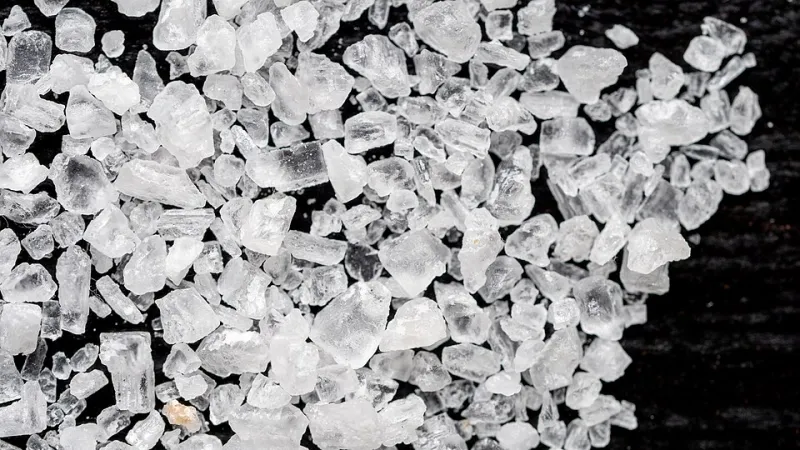
Photo: ajay_suresh, CC BY 2.0, via Wikimedia Commons
November has a way of making the garden look as if it has given up. The beans are black, the courgettes have collapsed, and the herb bed is a soggy outline of what it was in June. But there is usually one last useful thing out there: a few stems of rosemary, a sprawl of thyme, sage leaves thick enough to matter. If the forecast has that word in it — frost — you go out with scissors and a bowl, and you make herb salt.
This is not a grand preserving project. It needs no maslin pan, no thermometer, no morning set aside. It is a small, salty, faintly green thing you can do on a dark afternoon while the oven is on for something else. And it is, I think, a better use of the last of the herbs than watching them turn brown in a jug on the windowsill.
What you are actually making
Herb salt is not dried herbs with salt added as an afterthought. It is salt that has been given the leaves — their oils, their colour, their particular green savour. You blitz the two together until the salt looks like it has been out in the garden, then dry it just enough that it keeps. The result is a coarse, damp-ish, intensely savoury seasoning that you can pinch over potatoes or rub into a chicken without reaching for anything else.
The ratio I use is about 200g coarse sea salt to 100g picked herb leaves, by weight. That is a generous, herb-forward mix. If you want something drier and more salt-led, go 300g salt to 100g leaves. Use coarse salt rather than fine table salt, and avoid flaky sea salt for this — it disappears in the processor and you lose the texture that makes the whole thing pleasant. A cheap bag of coarse sea salt is perfect.
Which herbs earn their place
Not everything survives the treatment. Soft herbs — parsley, coriander, basil, chives — go black and sad, and their flavour fades quickly. The woody, oily herbs are the ones that hold up: rosemary, sage, thyme and bay.
Rosemary is the backbone. Strip the leaves from the woody stems; a fork helps, or just pinch and pull. Thyme is fiddly but worth it — a few minutes of stripping gives you a scent that fills the kitchen before the salt is even made. Sage is strong, so use it with a lighter hand: perhaps a fifth of the total herb weight. Bay is the quiet one. A couple of leaves, torn or blitzed in, give a savoury depth that is hard to place but easy to miss. If you have a bay tree, this is the moment to use it.
A good winter mix might be 40g rosemary leaves, 40g thyme leaves, 20g sage and two bay leaves. But do not be precious about it. Use what you have, in the proportions that smell right to you.
The method, such as it is
Pick the herbs on a dry morning if you can, after the dew has lifted. Do not wash them unless they are genuinely muddy; if you do, dry them thoroughly in a tea towel. Strip the leaves and weigh them. Put them in a food processor with the salt and pulse in short bursts until the leaves are broken down and the salt is green-flecked and slightly damp. Do not let it turn into a paste — you want texture, not purée. A pestle and mortar works too, in smaller batches, and is a pleasant thing to do while the radio is on.
Spread the mixture thinly on a baking tray lined with parchment. Dry it in a cool oven — about 50°C to 60°C, door slightly ajar — for 20 to 30 minutes, stirring once or twice. You are not cooking it; you are just taking the edge off the moisture so it keeps. Alternatively, leave it near a radiator for a day or two, stirring when you pass. It should feel dry to the touch but still smell vividly of the garden.
Pack it into clean, dry jars, pressing down lightly. Label them. It will keep for months in a cool cupboard, though the flavour is best in the first six. If it clumps, shake the jar before use — that is normal, and not a fault.
Why not just dry the herbs?
Dried herbs have their place. A pinch of dried oregano in a tomato sauce is a fine thing. But dried sage turns dusty, and dried rosemary can be like eating twigs. Herb salt does something different: the salt carries the oils and the greenness, so you get the herb and the seasoning in one movement. It also saves you the faff of tying bundles and finding somewhere to hang them, which in a small UK kitchen is often the real barrier.
There is a quiet argument for herb salt over dried herbs when the garden is done for the year: it is faster, it takes up less shelf space, and it tastes more like the thing it came from. You are not preserving herbs in aspic or making a project of it. You are just putting the last of the bed into a jar, with salt.
Where it goes through winter
Roast potatoes are the obvious start. Parboil them, shake them in the pan, then toss with a spoonful of herb salt and oil before they go in the oven. The salt seasons the potatoes and the herbs catch in the edges. It is also good rubbed under the skin of a chicken before roasting, or stirred into the butter for a jacket potato. A pinch at the end of a lentil soup or a pot of beans lifts the whole thing. Try it on roast parsnips, celeriac, or a tray of winter roots with honey. It is excellent in gravy, and on eggs.
Use it as a seasoning, not a finishing flourish. It is salty. Taste as you go, and remember that it will intensify if the dish reduces.
A small jar on the shelf
Making herb salt is not really about thrift, though it is thrifty. It is about the pleasure of doing something useful with the last green thing in the garden before the frost takes it. It takes an afternoon, or less. It makes one or two jars. And on a cold Tuesday in January, when the herb bed is a memory and the light is already going at four, a pinch of that salt over a pan of potatoes will taste like a small, green piece of November kept back on purpose.