Small Jars, Big Comfort: Keeping a Proper Larder When You Cook for One
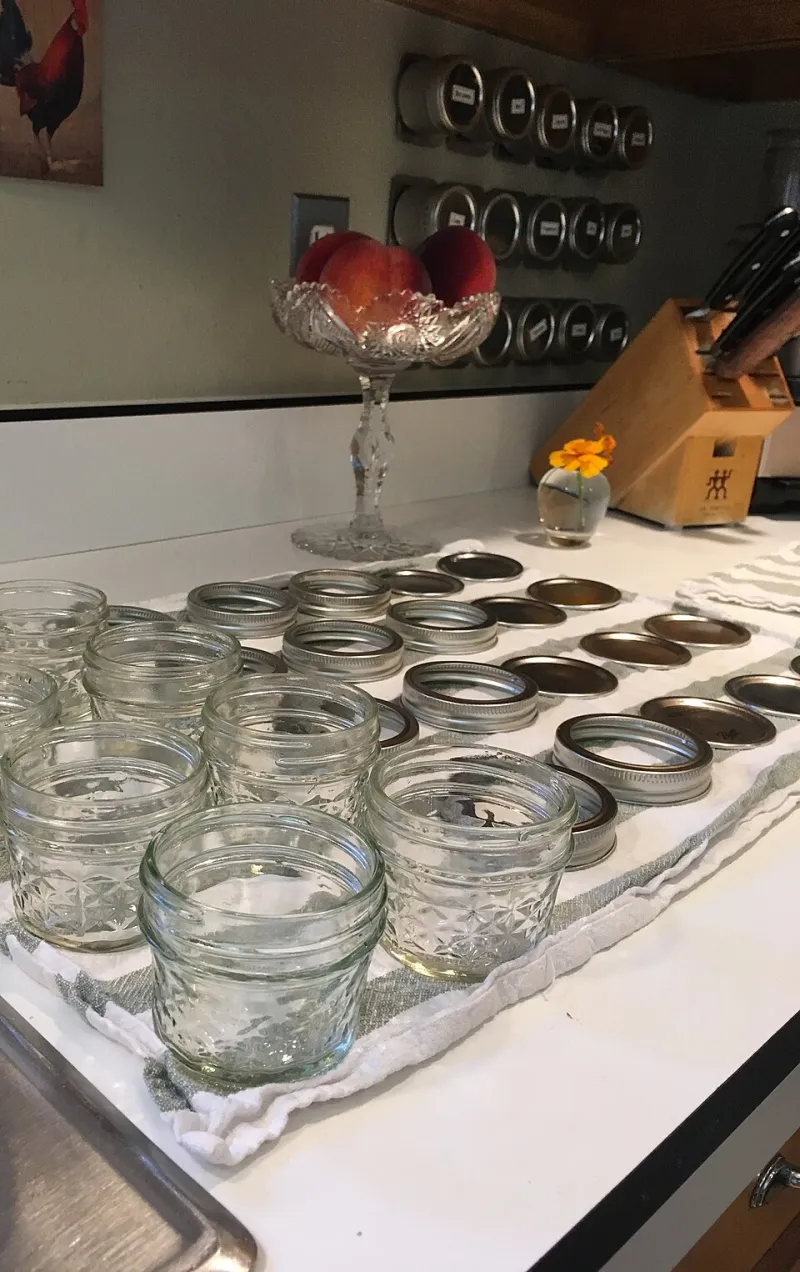
Photo: Nutrition, Food Safety & Health, CC0, via Wikimedia Commons
The first time I tried making jam, I ended up with nine jars. NINE. I lived alone, I had a small fridge and a very short corridor, and for the next eight months I handed jam to anyone who stood still long enough to receive it. The postman got two jars. The postman didn't even ask.
That was the point at which I stopped assuming that preserving and baking were group activities, and started working out how to do them properly for a household of one.
The myth of the big batch
There's a stubborn idea that preserving is what you do when the allotment overflows and there are four hungry people to feed. It's there in the old cookbooks, in the 'makes 12 x 450g jars' at the top of every recipe, in the gentle assumption at the Women's Institute that you'll be needing a preserving pan the size of a washbasin.
But almost everything works just as well at half or quarter scale. The jam doesn't know how many people live in your house. It just wants fruit, sugar and the right set.
The half-batch maths
Roughly speaking, 1kg of prepared fruit makes four to five 450g jars. Halve it and you have two jars and a bit — which is a fortnight of toast, one gift, and no leftovers going mouldy in the door shelf.
A few numbers worth keeping in your head:
- Jam: about 450g sugar to 500g fruit for a standard set; less for low-pectin fruit, more for something sharp like blackcurrant.
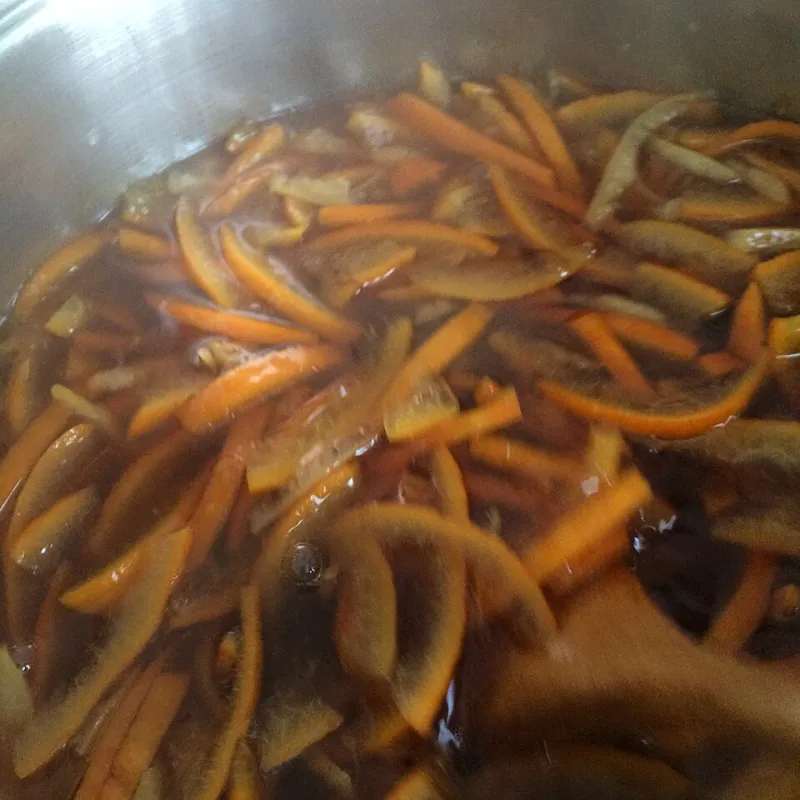
- Marmalade: three good oranges will give you two decent jars without a marathon.
- Chutney: 500g of chopped vegetables or fruit simmers down to about two jars, and improves for a fortnight in the cupboard before you open it.
- Cordial: 300g of fruit and 200g of sugar makes a small bottle that lives in the fridge door and gets through a fortnight of evenings.
Small amounts also cook faster, which means less time standing over a pan, and — genuinely — better colour on jams, because you're not waiting an age for a vast volume to come to a rolling boil.
Kit worth having, kit worth skipping
The good news is that small-batch preserving needs very little. A wide, deep saucepan (a sauté pan is ideal — more surface area means faster evaporation), a long wooden spoon, a jug, a jam thermometer if you like certainty, and a couple of clean tea towels.
Skip the preserving pan, skip the bottling funnel, skip the wax discs if you're sealing with screw-top lids and storing in the fridge. Skip, too, the idea that you need a dedicated cupboard. Three jars on a shelf is a larder.
For jars, keep the small ones as they come — 200g–230g is a lovely size for one person, and you'll get through a jar while it's still at its best. Save the little ones from olives and mustard, wash them properly, and buy new lids rather than reusing sad ones.
Three small preserves to start with
Fridge jam. 400g of berries, 250g of jam sugar, a squeeze of lemon. Ten minutes of bubbling, a saucer test, into two jars. Keeps a month in the fridge, and you haven't committed your entire evening.
A two-jar chutney. Whatever's going soft in the veg drawer — an apple, an onion, a few tomatoes — chopped small, simmered with vinegar, sugar and a spice or two until glossy. Leave it a fortnight, then eat it with cheese and be quietly smug.
Salted lemon or quick pickled onions. Five minutes of work, a jar in the fridge, and suddenly a plain lunch has something sharp and interesting in it. This is the quiet joy of a larder: not abundance exactly, but options.
Baking for one, without a fortnight of cake
Here's where the freezer earns its place as part of your larder rather than an annexe.
Freeze before baking. Scone dough cut and frozen raw bakes straight from frozen with a few extra minutes in the oven — one or two at a time, warm, on a Sunday morning. Cookie dough portioned and frozen works the same way. So does a loaf's worth of bread dough, divided into rolls.
Bake small. A 1lb loaf tin makes a loaf that's actually eaten before it goes stale. A six-hole muffin tin makes a sensible batch. A 15cm cake tin makes a cake for two sittings rather than six. Most recipes scale down without complaint, though you may need to shorten the bake by five or ten minutes — keep an eye on it.
Halve the eggs problem. Half an egg is annoying, so plan for it: a spare yolk goes into a custard or gets brushed over pastry, a spare white freezes (label it with the number of whites). Or deliberately choose recipes that use whole eggs and freeze the surplus slices.
Freeze the finished thing. Sliced loaf cake, traybake squares, scones, hot cross buns, even a single portion of crumble — all freeze well. Wrap individually and you have a decent bakery in a drawer.
Labels, dates and a bit of honesty
The most useful habit I picked up was writing the date and what's in the jar on a scrap of paper and sticking it on with a bit of tape. Not glamorous, but it stops you opening a mystery jar in March and sniffing it suspiciously.
Assume jams, chutneys and pickles keep for a few months in a cool cupboard once opened, and much longer unopened — but use your nose and your eyes. Anything fizzy, mouldy or oddly scented is a no. Small batches exist precisely so that a mistake costs you half an hour and 300g of fruit, not a whole weekend.
Cooking for yourself still counts
There is something quietly lovely about a larder that was stocked by you, for you. A jar of something sharp to put with a baked potato. Two scones in the freezer, ready for a wet Tuesday. A chutney you made on a Tuesday evening while the radio was on.
None of it requires a big household or a spare weekend. It requires small jars, a little nerve and the odd half-batch. And if you do end up with nine jars, the postman will probably take one off your hands.