The Winter Cube: Rethinking Suet Beyond the Pudding Bowl
There is a certain kind of pantry staple that never gets its own moment. It sits at the back of the shelf, wrapped in greaseproof paper or rattling about in a cardboard box, waiting for a single annual outing. Suet is one of those. For most of us it appears in December, does its duty in a pudding, and then disappears again until next winter. That is a shame, because suet is one of the most useful cold-weather things you can keep in the kitchen.
A block with a bad reputation
Suet is the hard fat from around the kidneys and loin of beef. That description does it no favours, I know. But think of it less as fat and more as architecture. In pastry, it creates a short, sturdy crust that can hold a stew without going soggy. In a pudding basin, it gives that unmistakable light-but-solid texture. And in a dumpling, it does something no other fat quite manages: it keeps the middle tender while the outside drinks up gravy.
It is also deeply practical. A block of suet keeps well, freezes well and turns a modest bag of flour into something that feels like a proper dinner. For a larder built around quiet usefulness, that is exactly the point.
Fresh, boxed, vegetarian
You will mostly see suet in two forms. Fresh suet comes from a butcher, usually already grated or in a firm block you can grate yourself at home. It has the best flavour and a lovely crumbly texture, but it is perishable. Boxed shredded suet is the pantry version: shelf-stable, easy to measure and available in most supermarkets. It is the one I keep for weeks when I know dumplings are likely.
Then there is vegetarian suet. This is made from plant fats rather than beef fat, and it is a genuine help if you cook for a mixed household or simply prefer not to use animal fat. It behaves slightly differently: a little firmer, sometimes a little less rich. In dumplings and roly-poly it works very well. In a suet crust pie, I find it best to use it cold and handle the pastry lightly.
If you are buying fresh suet, ask the butcher to grate it for you if they can. It saves a messy job and means you can freeze it in small bags, ready to tip into flour. If you are grating it yourself, chill it well first. Warm suet clags together and refuses to cooperate.
How to store it without a saga
Fresh suet should go in the fridge and be used within a few days, or frozen for up to three months. I freeze it in 50g bags, which is roughly the amount needed for a batch of dumplings for four. Press the air out, label it, and you have a winter shortcut waiting in the freezer.
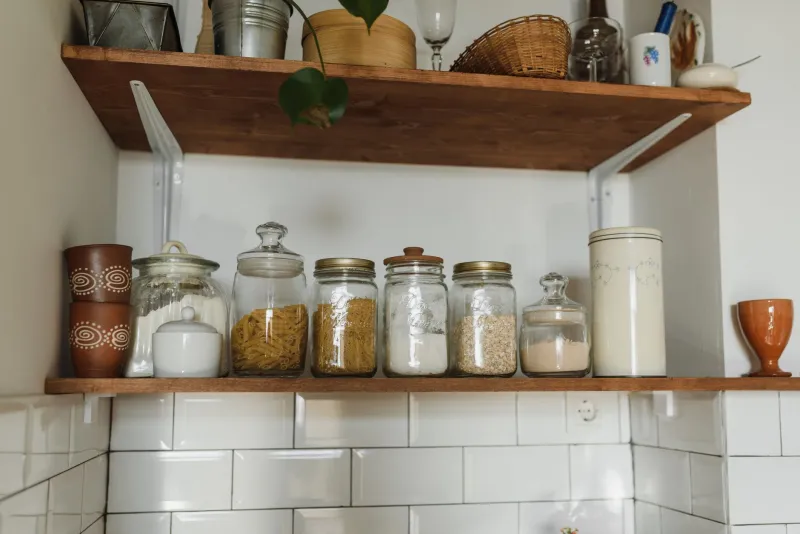
Boxed shredded suet wants a cool, dry cupboard and an eye on the use-by date. Once opened, keep it in an airtight container. Vegetarian suet is much the same. None of this requires a special shelf or a lecture. It is pantry keeping at its plainest: buy a little, store it properly, use it before it turns.
Beyond the Christmas pudding
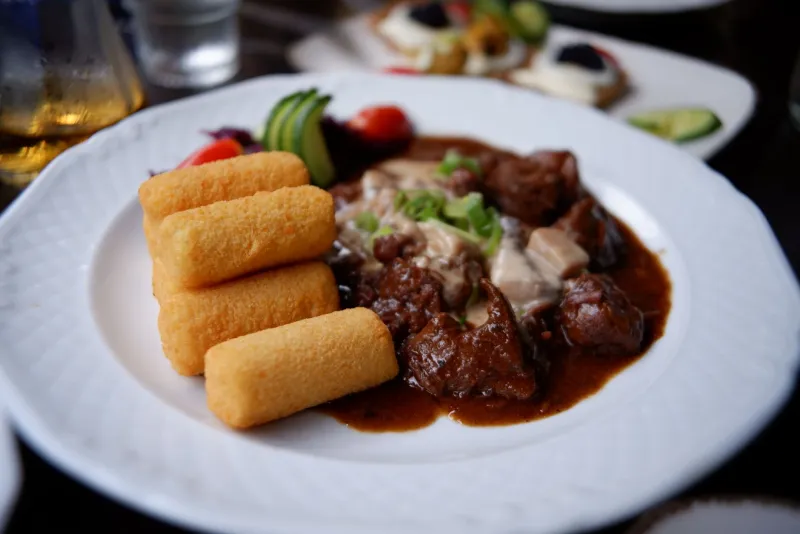
The Christmas pudding is the famous job, but it is not the only one. A suet crust pie is one of the great winter dishes: steak and kidney, mushroom and leek, or a slow-cooked beef and ale filling with a thick, glossy gravy. The pastry is forgiving. It does not demand the cold hands and quick rolling of a butter pastry, and it holds its shape in a deep pie dish.
Then there is roly-poly. Jam roly-poly, steamed in a cloth or baked in the oven, is nursery food in the best sense: soft, warm and served with custard. It is also a clever way to use up the end of a jar of jam. And then there are dumplings, the weeknight heroes. A stew that looked a bit thin becomes a proper supper once you drop in a few suet dumplings and put the lid on.
A plain dumpling for a wet Tuesday
This is the recipe I make most often. It is not fancy, and it does not need to be. The quantities below make enough for four people alongside a stew.
- 100g self-raising flour
- 50g shredded suet, beef or vegetarian
- A good pinch of fine salt
- Black pepper
- 1 tsp dried thyme or chopped parsley
- About 60ml cold water or milk
Mix the flour, suet, salt, pepper and herbs in a bowl. Add the water or milk a little at a time, stirring with a knife until you have a soft dough that is not sticky. Bring it together gently with your hands, divide into eight small balls or six larger ones, and drop them into a simmering stew. Put the lid on and leave them for 20 minutes without lifting it for the first 15. The dumplings should be light in the middle and glossy on the outside.
If you want a suet crust pastry instead, use twice the weight of flour to suet, add a pinch of salt, and bind with cold water. Rest it briefly, roll it out, and line your pie dish. It is that simple.
The small habit
Keeping suet is not about being old-fashioned. It is about having a quiet answer to the question of what is for dinner when the afternoon has gone dark and the oven is already on. A box on the shelf, a bag in the freezer, a few dumplings in a stew: these are small things, but they are the sort of small things a working larder is made of.