The Kitchen Ledger: A Notebook for the Jam Shelf

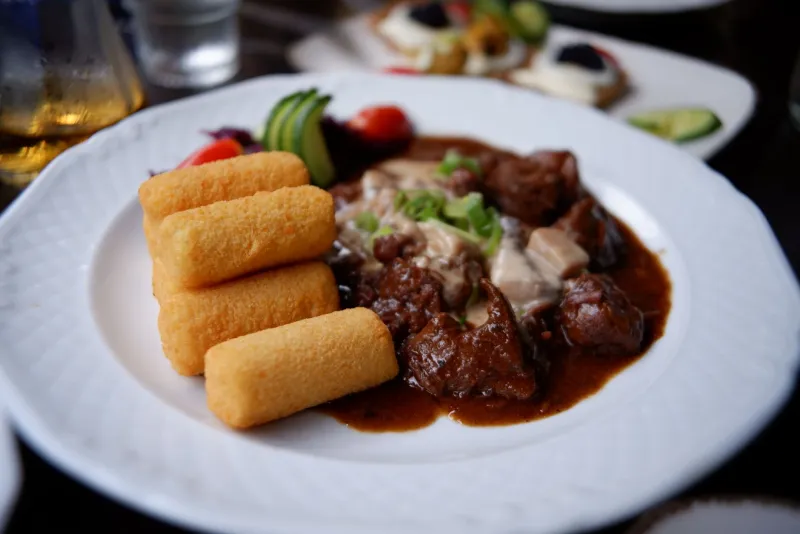
Photo: Shixart1985, CC BY 2.0, via Wikimedia Commons
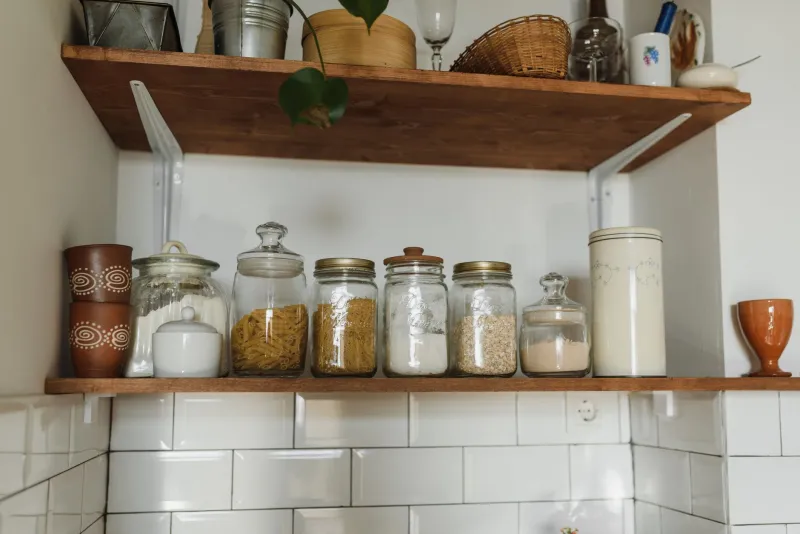
There is a particular kind of quiet in the kitchen on a dark November afternoon. The preserving pan is back on its hook, the last sterilised jars are cooling on a tea towel, and the shelf is doing that satisfying thing where it looks fuller than it did in August. This is the moment to sit down with a mug of something hot and a pencil, before the details blur into Christmas.
A notebook is not a grand project. It does not need a leather cover or a system with tabs. It can be a 99p exercise book from the newsagent, a spare page in the back of a recipe folder, or the notes app on your phone if that is where you actually look. What matters is that it lives near the jars, and that you use it while the year is still warm in your mind.
Why November Is the Right Month
In the middle of a glut, preserving is a race. You are up to your elbows in damsons, the pan is too full, and the last thing you want to do is stop and write down how many jars you got. By January, you will have forgotten whether that chutney took forty minutes or an hour, and whether the apples came from the allotment or the box by the back door.
November sits in the sweet spot. The shelves are full enough to see the shape of the year, but the season’s work is recent enough to remember. You know which jars you reached for first. You know which lid refused to seal. You know that the quince jelly was worth the faff and the beetroot relish was not.
It is also the month when the larder starts to feel like a resource rather than a chore. The Christmas cooking is coming, the dark evenings invite a bit of planning, and a notebook is a gentle way to make sense of what you have.
What Deserves a Line or Two
You do not need to write an essay for every jar. A few details, recorded honestly, will do more for next year than any glossy preserving book.
The date is the obvious one, but add the month and year rather than just a day. A jar of marmalade made in January tastes different in November, and it helps to know how long it has been waiting.
The count matters more than you think. Four jars of marmalade sounds like plenty in February and barely enough in December. Write down the final number, including the small jar you kept back for toast.
The source is where the notebook starts to earn its keep. Was the fruit from the allotment, the market, a kind neighbour, or a supermarket reduction shelf? Did you use the last of the hedgerow crab apples? Next year, you will want to know whether that source is worth chasing again.
The timings are not just for the recipe. Note how long the pan took to come to a set, how long the jars were in the oven, and whether you wished you had started earlier. A line like “prep 40 mins, set 25 mins, seven jars” is enough.
The tweaks are the bits you will forget. Did you add a little more ginger? Was the vinegar too sharp? Did the chilli vanish into the background? A short note — “next time, more mustard seed” — is the difference between a repeat and a rerun.
The Jars That Disappointed
This is the part most of us skip. It is much nicer to write “delicious” and move on. But the disappointing jars are the ones that teach you something.
Maybe the set was soft, and you ended up calling it a sauce. Maybe the fruit was watery and the flavour never quite arrived. Maybe the spice was too much, or the vinegar too aggressive. Write it down plainly, without drama. “Soft set — use Bramleys next time” is more useful than a paragraph of regret.
There is also a practical reason to record the failures: they stop you repeating them. A notebook that only contains successes is a scrapbook. A notebook with a few honest notes about the jars that did not work is a working larder.
A Simple System That Sticks
If you want a system, keep it small. A page per preserving session works well: date at the top, then the fruit, the recipe source, the pan, the jars, and a line for “notes”. If you are making several things in one week, use a fresh page for each and clip them together.
A second page at the back can be a running list of what is on the shelf. Not a spreadsheet — just a rough inventory. “Marmalade x 4, quince jelly x 3, green tomato chutney x 6, pickled walnuts x 2.” Update it when you open a jar. It takes seconds and stops you buying yet another bag of sugar because you forgot what you already had.
You can also note the jars you gave away. It is easy to forget that three jars went to a neighbour and two to the school fair. A small mark in the margin is enough.
From Cupboard to Plan
By the time you finish, you will have more than a record. You will have a plan. The notebook will tell you which recipes are worth doubling, which sources are reliable, and which preserving jobs are not worth the time in a small kitchen.
You might notice that you always run out of marmalade in March, or that the chutney is still hanging around in July. You might realise that the apple tree at the allotment is worth asking about in September, or that the market stall sells damsons for one week only. These are the small, local bits of knowledge that make a larder feel like yours.
A notebook also slows you down in a good way. It makes you pay attention to what you are doing, and it gives the year a shape. The shelf is not just a row of jars. It is a record of afternoons, gluts, favours, and the quiet satisfaction of putting something by.
So before the Christmas tins come out, clear a corner of the table, find a pencil, and write down what you made this year. The jars will keep. The details will not.